
Starting continuous positive airway pressure (CPAP) therapy is a major milestone toward reclaiming your sleep, focus, and long-term health. However, for many patients in Pakistan, bringing home a sleep apnea machine can feel overwhelming. Adjusting to breathing against forced air, figuring out mask fitment, and managing the humidifier can make some users feel like cpap ruined my life during the first week.
Achieving complete therapy compliance is a gradual process that requires the right technical setup, proper humidification habits, and strategic sleeping postures. This commercial guide provides a clear walkthrough on How to Use a CPAP Machine — Water, Side Sleeping & Common Problems, covering long-term physiological changes, mask-free alternatives, and the latest 2026 pricing updates in the local market. Contact Now for information
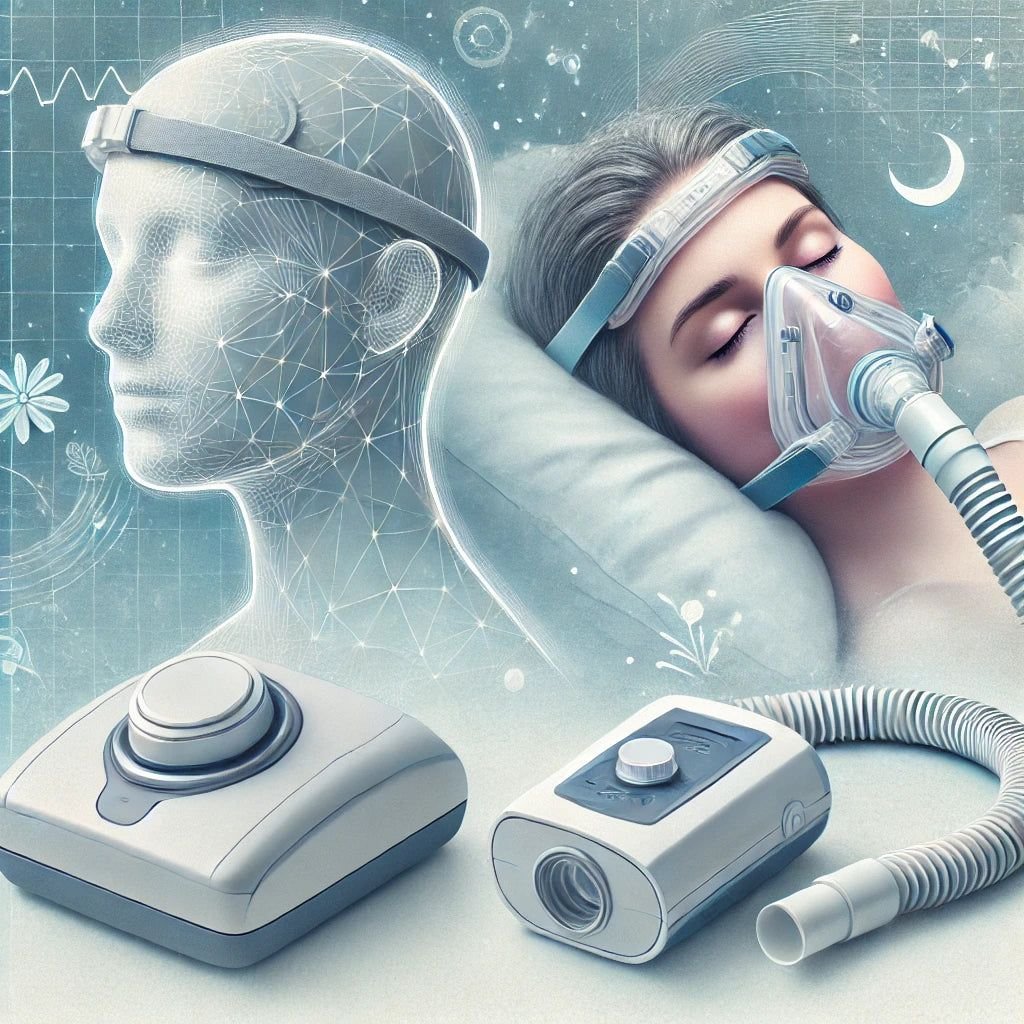
The Critical First Night: Surviving the Adjustment Phase
Learning how to sleep with a cpap machine for the first time requires patience and a systematic approach. The initial sensation of pressurized air can trigger a mild feeling of claustrophobia or cause you to exhale rapidly against the incoming flow.
To overcome this hurdle, practice using the device while awake during the day. Turn the machine on while reading a book or watching television for 20 minutes to desensitize your respiratory system to the pneumatic pressure before attempting a full night’s sleep.
The Ultimate Water Guide: Distilled vs. Tap Water
Managing your machine’s humidification system is essential to avoid dry nasal passages, a scratchy throat, or morning congestion. The core principle of CPAP humidification comes down to a strict fluid rule: never use standard tap water, boiled water, or commercial mineral water inside your humidifier chamber.
Tap water contains dissolved minerals, including calcium, magnesium, and iron. When the machine’s internal heating element warms the water, the liquid evaporates into pure moisture, leaving behind hard mineral deposits inside the plastic tub. This distilled water vs tap water scaling dynamic degrades the thermal efficiency of the heating plate and creates a porous surface where bacteria can easily grow.
Always use pure distilled water. If you are stuck in an emergency situation where distilled water is completely unavailable, use cooled, pre-boiled water for a single night, and perform a thorough vinegar rinse the following morning.
Mastering the Side Sleeping Challenge
A major hurdle for new users is maintaining a secure mask seal when changing sleeping postures. Side sleeping is highly recommended for sleep apnea patients because sleeping on your back causes gravity to pull the tongue and soft palate down, worsening airway collapse. However, resting your face directly against a standard pillow often presses the edge of the mask sideways, creating loud air leaks that can irritate your eyes.
To sleep comfortably on your side without breaking the mask seal:
- Invest in a Contoured CPAP Pillow: A specialized cpap pillow features deep geometric side cutouts. These cutouts allow the mask to extend off the edge of the foam pillow into open space, ensuring your head stays supported while the mask frame experiences zero structural pressure.
- Use an Overhead Hose Hanger: Route your breathing tube upward using an adjustable bedside hose crane or attach it loosely to your headboard. Suspending the tube above your head prevents it from getting caught under your shoulders or pulling down on your mask when you turn over.
What Happens When You Stop Breathing?
Understanding what does a cpap machine do when you stop breathing highlights the importance of using your device consistently every night. When an obstructive apnea event occurs, the muscles in your throat relax, causing the tongue and soft tissues to block the upper airway completely. This stop in breathing causes blood oxygen levels to drop quickly, forcing the heart to pump harder and triggering a sudden stress response that disrupts your sleep cycle.
An auto-titrating positive airway pressure algorithm acts as a dynamic “pneumatic splint”. The device continuously monitors the resistance within your breathing circuit. The moment it detects a drop in airflow or an upper airway collapse, it increases the air pressure just enough to gently push the collapsed airway tissue open. This keeps your airway clear, stabilizes your oxygen levels, and prevents your body from waking up in a panic.
Longitudinal Body Changes & Side Effects
Consistent, long-term therapy triggers profound physiological body changes after cpap adoption that extend far beyond simply reducing daytime sleepiness:
- Cardiovascular Stabilization: By eliminating nightly drops in oxygen, you reduce the strain on your heart, which helps lower daytime blood pressure and lowers the long-term risk of stroke.
- Metabolic and Weight Adjustments: Sleep apnea disrupts two key hunger hormones: leptin (which signals fullness) and ghrelin (which triggers hunger). Stabilizing your sleep stages helps balance these hormones, reducing cravings for high-carbohydrate foods.
- Cognitive Sharpness: Restoring deep sleep stages allows for better memory consolidation, reduces morning headaches, and helps lift the chronic brain fog caused by constant nighttime awakenings.
Managing Potential Side Effects
While the long-term benefits are substantial, users should watch for potential long term side effects of cpap machine use. The most common issue is aerophagia (swallowing air), which occurs when the machine’s pressure settings are higher than needed, forcing excess air down into the stomach and causing gas or bloating.
This can typically be resolved by enabling the expiration pressure relief compliance metrics (EPR) on your device or working with your sleep specialist to lower the pressure setting.
Exploring Mask-Free Clinical Alternatives
For patients with severe structural sensitivities or claustrophobia who find traditional therapy impossible, new medical developments offer alternatives.
The phrase new cpap machines without mask refers to advanced alternatives like Hypoglossal Nerve Stimulation (e.g., Inspire Therapy). This system involves a tiny pulse generator surgically placed beneath the collarbone.
The implant monitors your breathing patterns as you sleep and delivers a gentle, automated micro-stimulation pulse to the hypoglossal nerve, moving the tongue forward to keep the airway clear without needing an external mask or air hose.
2026 CPAP Pricing Metrics in Pakistan
The current cpap machine price in Pakistan varies based on the device generation, its automation features, and its country of manufacture. Below is an overview of the local market pricing structure:
| Equipment Category & Model Line | General Purchase Price (PKR) | Primary Inclusion Package |
| Basic Fixed CPAP System (Manual pressure calibration) | Rs. 65,000 – Rs. 85,000 | Standard machine, non-heated hose, basic carrying case. |
| Mid-Tier Auto-CPAP (APAP) (Chinese Brands: BMC / Yuwell) | Rs. 95,000 – Rs. 135,000 | Integrated humidifier, smart ramp settings, nasal mask. |
| Premium Auto-CPAP (Used/Refurbished) (ResMed AirSense 10 / 11) | Rs. 98,000 – Rs. 145,000 | Low run-hours, sanitized air pathways, standard setup. |
| Premium Intelligent Auto-CPAP (New) (ResMed S11 AutoSet Box-Packed) | Rs. 220,000 – Rs. 265,000 | Brand new unit, full internal warranty, smart tracking. |
Summary and Next Steps
Adjusting to a CPAP machine takes time, but using the right configuration turns these common struggles into a comfortable, life-changing routine. Using pure distilled water protects your machine’s humidifier chamber, while switching to a contoured pillow helps side sleepers maintain a secure mask seal all night long.
Ready to find the ideal setup for your needs? Take a look at our current collection of sleep therapy devices on the CPAP systems and lifestyle catalog, or connect directly with our support team through the clinical sleep setup page to get personalized advice on mask sizing and pressure adjustments.
Frequently Asked Questions (FAQs)
Q1: Can I clean my CPAP water chamber with normal tap water?
You can wash the chamber using warm tap water and a mild, fragrance-free dish soap for standard cleaning. However, after rinsing the soap away, perform a final rinse with distilled water to prevent mineral scale buildup. To remove existing white mineral crusts, let the chamber soak in a mixture of equal parts warm water and white vinegar for 30 minutes.
Q2: How tightly should I pull my CPAP mask straps?
A very common mistake is overtightening the headgear straps to stop an air leak. Overtightening pinches the mask’s silicone cushion, which actually breaks the air seal and can cause facial sores or skin irritation. The silicone cushion needs room to inflate slightly with the pressurized air to form a gentle seal against your skin. Tighten the straps just enough to prevent leaks, ensuring you can comfortably slide two fingers underneath the headgear.
Q3: Why does my CPAP machine make me feel bloated in the morning?
Waking up with a bloated or gassy stomach is a classic sign of aerophagia, which occurs when you accidentally swallow pressurized air into your stomach. This often happens if your therapeutic pressure setting is too high or if you are breathing heavily through your mouth. Turning on your machine’s pressure relief function (EPR) or switching to a chin strap can help keep your mouth closed and significantly reduce bloating.
Q4: How often should I replace my CPAP mask and hose?
To maintain proper hygiene and a reliable mask seal, replace your silicone mask cushion every 3 to 6 months, as facial oils will break down the silicone over time. The complete structural headgear and flexible breathing hose should be replaced every 6 to 12 months to prevent the plastic from stretching out or developing micro-tears that leak air.