
Managing chronic respiratory illnesses like severe Chronic Obstructive Pulmonary Disease (COPD), obesity hypoventilation syndrome, or central sleep apnea requires precise clinical equipment. Unlike a standard single-pressure CPAP system, a Bilevel Positive Airway Pressure (BiPAP) device uses two distinct motorized pressures to keep the patient’s airway open, making it a critical asset for non invasive ventilation solutions.
For medical centers and families setting up home ICUs across major hubs in Punjab, locating authentic, factory-warranted respiratory machines can be difficult due to shifting exchange rates and inconsistent local supply chains. This comprehensive guide covers everything you need to know about the BiPAP machine price in Pakistan, technical differences across leading brands, and how to source verified hardware through reliable providers like Hamza Surgical Pakistan respiratory items.
Technical BiPAP Engineering: Explaining IPAP, EPAP, and ST Modes
Before investing in a high-tier respiratory device, it is important to understand the specific operation settings prescribed by your pulmonologist:
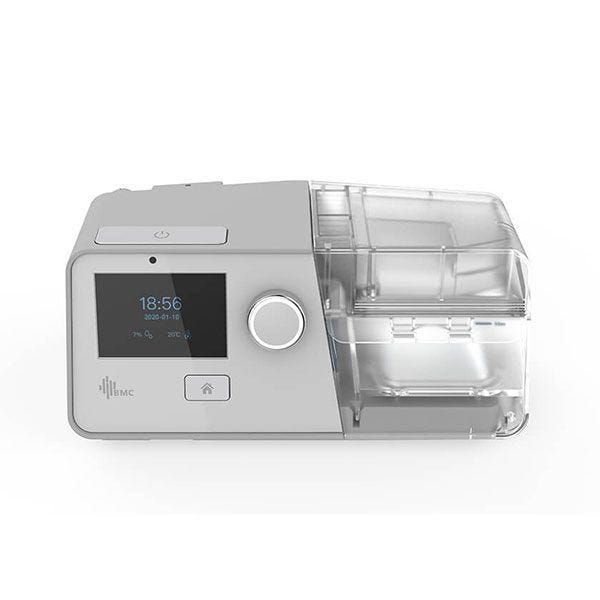
- Inspiratory Positive Airway Pressure (IPAP): The higher air pressure delivered when the patient inhales. This assists weak respiratory muscles and helps clear trapped carbon dioxide, preventing alveolar hypoventilation respiratory acidosis.
- Expiratory Positive Airway Pressure (EPAP): A lower, continuous baseline pressure maintained when the patient exhales. This utilizes positive end expiratory pressure mechanics to prevent lung collapse and ensure smooth gas exchange.
- Spontaneous / Timed (ST) Mode: A vital safety feature for critical care. If a patient stops breathing or their breath rate drops below a preset threshold, the machine senses the delay and delivers a spontaneous timed mechanical backup breath to keep them stable.
2026 BiPAP Sourcing Matrix and Local Prices in Pakistan
The current medical equipment price in Pakistan fluctuates based on customs duties, brand warranty packages, and specific functional modes (such as standard 20 cm vs. high-intensity 30 cm pressure models).
Below is the verified market pricing layout for 2026:
| Manufacturer Brand & Model | Estimated Purchase Price (PKR) | Primary Medical Implementation | |
| BMC ResMart GII Y30T (With Integrated Humidifier) | Rs. 135,000 – Rs. 165,000 | Budget-friendly home care for COPD and hypoventilation. | |
| Philips Respironics DreamStation (Certified Refurbished Profile) | Rs. 110,000 – Rs. 145,000 | Quiet performance for long-term sleep apnea. | |
| ResMed Lumis 150 VPAP ST (Premium Intelligent System) | Rs. 380,000 – Rs. 465,000 | High-acuity clinical use and complex neuromuscular support. | |
| Low-Cost Basic BiPAP System (Sealed Economy Imports) | Rs. 85,000 – Rs. 115,000 | Palliative support or secondary short-term setups. |
Regional Supply Networks Across Punjab
Whether you are configuring a facility or arranging home care, working with established logistics partners ensures your hardware is set up correctly and safely.
1. Sourcing in Lahore
As the main hub for medical imports in Punjab, procurement teams often source through regional providers like Hamza Surgical Pakistan respiratory items to secure medical furniture and clinical setups. For advanced non-invasive ventilators, turn to premium importers near Jail Road or the Mayo Hospital medical corridors to ensure you get a valid replacement warranty and access to on-site calibration technicians.
2. Sourcing in Faisalabad
Sourcing through ResMed BiPAP suppliers Faisalabad networks helps bypass the delays of shipping from other cities. Local agencies across regions like Sargodha Road or Ghulam Muhammad Abad handle immediate delivery, provide on-site mask sizing sessions, and offer troubleshooting assistance for patients with chronic obstructive pulmonary disease hypercapnia.
3. Sourcing in Multan
Families across Southern Punjab can secure premium setups through specialized Philips DreamStation ST Multan dealers located near Nishtar Hospital Road. Sourcing locally ensures you receive direct technical help with your heated humidification climate line configurations, protecting the machine from dust and extreme regional heat.
Step-by-Step Initial Setup and Calibration Guide
To ensure patient safety and proper device performance, follow this technical protocol whenever setting up a new device:
1.Position the Device on a Flat Surface:Before Power On.
Place the machine on a clean, level nightstand or side table slightly lower than the patient’s mattress height. Ensure the rear air intake vents are unobstructed by curtains or walls to prevent the motor from overheating.
2.Configure the Heated Humidifier:Moisture Management.
Slide open the humidification chamber tub. Fill the water tank exactly to the maximum indicator line using only pure distilled water. Carefully slide the tub back into the machine’s heater plate until it clicks into place.
3.Connect Airway Tubing and Patient Mask:Circuit Integration.
Attach the flexible $22\text{ mm}$ breathing hose to the machine’s air outlet port. Connect the opposite end of the tubing to your full-face or nasal BiPAP mask. Ensure all connections are secure to prevent air leaks from affecting pressure tracking.
4.Calibrate Pulmonologist Pressure Parameters:Clinical Setting.
Turn on the device and access the clinical configuration menu using your physician’s guide. Set the exact target IPAP, EPAP, and breath-per-minute (BPM) rate backup metrics. Run a mask fit test to confirm the system maintains pressure accurately.
Summary and Next Steps
Securing the right BiPAP system requires matching your medical prescription with a dependable machine and a trusted supplier. Investing in quality equipment ensures reliable pressure tracking and consistent comfort during therapy, giving families peace of mind throughout recovery.
Ready to explore our full selection of new and certified used non-invasive ventilators? Take a look at our current stock on the BiPAP respiratory systems and consumables matrix, or send your patient’s prescription card directly to our support team through our clinical support to ensure you get the exact sizing and functional modes required.
Frequently Asked Questions (FAQs)
Q1: What is the main difference between a CPAP and a BiPAP machine?
A CPAP machine delivers a single, continuous fixed stream of air pressure all night, which some patients find difficult to breathe out against. A BiPAP machine utilizes two distinct pressure levels: a higher pressure (IPAP) when the patient breathes in, and a lower pressure (EPAP) when they breathe out, making it much more comfortable for patients with severe lung conditions.
Q2: Why is distilled water necessary for the humidifier chamber?
Using standard tap water or mineral water leaves behind hard mineral scales on the heating plate over time. This buildup reduces the humidifier’s heating efficiency and creates rough surfaces where bacteria can develop. Using pure distilled water keeps the air path clean and protects your machine’s warranty.
Q3: How do I manage water building up inside my breathing tube?
Water collecting inside the tube, known as “rainout,” happens when warm, humidified air from the machine cools down as it travels through a colder bedroom. To prevent this, consider using a heated tube line, wrapping the hose in a protective fabric sleeve, or lowering your machine’s humidity setting slightly.
Q4: Can a BiPAP machine be used if a patient is completely unresponsive?
No, standard non-invasive BiPAP machines are designed for patients who can still breathe on their own. They require an intact respiratory drive and the ability to maintain their airway. For completely unresponsive patients or those unable to breathe independently, an invasive ventilator connected via a tracheostomy tube is typically required.