
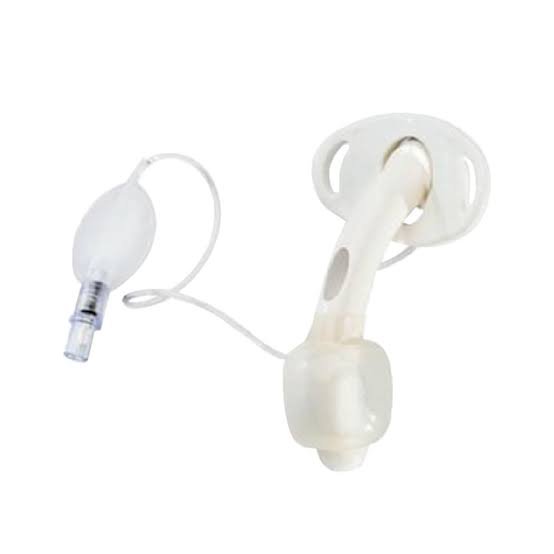
When a patient faces severe airway obstructions, acute respiratory failure, or requires prolonged mechanical ventilation weaning due to critical neurological or muscular disorders, a tracheostomy becomes a life-saving surgical procedure. By creating a direct opening in the trachea (windpipe) through the neck, a tracheostomy bypasses upper respiratory obstructions to ensure optimal airway resistance patency optimization.
However, managing long-term patient care at home or sourcing inventory for healthcare clinics in Pakistan can be difficult. Finding the exact size, brand, and design variant prescribed by an ENT specialist often involves navigating inconsistent supplies and shifting import rates.
This comprehensive guide covers the local market to help you buy tracheostomy tubes in pakistan, covering real 2026 prices, technical specifications, and authorized surgical distribution networks in major cities.
Understanding Tracheostomy Tube Mechanics
A tracheostomy tube is not a one-size-fits-all medical device. Choosing the incorrect model can lead to serious medical complications, including tracheal mucosal wall necrosis prevention failure, air leaks, or an inability to properly clear deep pulmonary phlegm.
Doctors look at specific structural options depending on the patient’s condition:
1. Cuffed vs. Cuffless Tubes
- Cuffed Tubes: These variants feature an inflatable balloon anchor at the lower end. When inflated via a pilot balloon outside the neck, the cuff forms a tight seal against the internal tracheal wall. This ensures that air pushed by a home ventilator goes directly into the lungs without leaking out through the mouth. It is the primary option for patients on active respiratory support or those with severe swallowing issues to prevent saliva aspiration.
- Cuffless Tubes: These do not feature an inflatable balloon. They are typically introduced during later rehabilitation stages when the patient can breathe independently and is ready to practice vocalization and natural swallowing.
2. Inner Cannula Systems (Disposable vs. Reusable)
The inner cannula is a removable secondary liner tube that sits inside the main outer tube. If a patient’s airway becomes clogged with thick mucus or dried phlegm, the caregiver can quickly pull out the inner cannula, clean or replace it, and snap it back into place without removing the entire device from the neck.
- Disposable Inner Cannulas are discarded after use, offering high hygiene levels but requiring a regular supply.
- Reusable Inner Cannulas can be sanitized chemically and reinserted, which reduces long-term operational costs.
3. Fenestrated vs. Non-Fenestrated
Fenestrated tubes have small holes or windows along the curved back curve of the outer tube. When the inner cannula is removed or switched to a matching fenestrated liner, air can flow upward through the vocal cords, allowing the patient to speak and communicate much more effectively.
2026 Tracheostomy Tube Price Matrix in Pakistan
The tracheostomy tube price in Pakistan varies based on country of origin, manufacturing material (silicone vs. PVC), and the inclusion of advanced features like subglottic secretion suctioning ports.
Below is an updated retail pricing baseline for genuine, factory-sealed tubes across major wholesale distributors:
| Brand & Specific Model Variant | Device Configuration Type | Average Market Price (PKR) | Primary Medical Use Case |
| Shiley Flexible Cuffed (Medtronic) (Sizes 4CN65A to 10CN10A) | Disposable Inner Cannula, TaperGuard Cuff | Rs. 16,500 – Rs. 19,500 | High-comfort adult home ICU ventilatory support. |
| Portex Blue Line Ultra (Smiths Medical) (Sizes 7.0mm to 9.0mm) | Thermosensitive PVC, Reusable Cannula | Rs. 12,000 – Rs. 15,500 | Standard surgical hospital intensive care ward use. |
| Romons / Canack Sterile Line (Standard Economy Models) | Single-use Cuffed/Cuffless (No Inner Cannula) | Rs. 1,400 – Rs. 2,500 | Short-term emergency trauma care or low-budget setups. |
| Bivona Silicone Flexible (Smiths) (Wire-reinforced profile) | Midrange Aire-Cuf / TTS Silicone System | Rs. 45,000 – Rs. 58,000 | Long-term permanent use, specialized comfort contours. |
| Shiley Pediatric / Neonatal (Sizes 3.0mm to 5.0mm) | Cuffless Pediatric Ultra-Soft Medical PVC | Rs. 14,000 – Rs. 17,500 | Infant/child pediatric tracheostomy tube size setups. |
Top Tracheostomy Tube Brands Distributed in Pakistan
1. Medtronic Shiley (USA)
The international gold standard and the most trusted brand by pulmonologists in Pakistan. The modern Medtronic Shiley flexible cuffed series features a soft material that molds to the patient’s anatomy when exposed to body temperature. Their TaperGuard cuff reduces fluid leakage past the balloon by up to 90%, making it highly effective at mitigating the risk of ventilator-associated pneumonia.
2. Smiths Medical Portex (UK)
The Portex Blue Line Ultra is widely used in tier-1 Pakistani private hospital networks (such as AKUH, Shifa International, and IMC). Portex tubes are made from special biocompatible PVC that offers structural rigidity during insertion but softens inside the trachea to ensure patient comfort.
3. Romons & Chinese Sterile Manufacturers
For budget-conscious families managing palliative home care, brands like Romons, Canack, or Gumi offer reliable, single-use, basic options. While they often lack a dual inner cannula system—meaning the entire tube must be changed if a severe blockage occurs—they serve as affordable options for short-term clinical procedures.
Decoding Sizing Parameters
Choosing a pediatric tracheostomy tube size or adult structural profile requires strict adherence to the surgeon’s operational chart. The neck flange of every authentic tube displays three primary technical values:
- Inside Diameter (ID): The actual open millimeter space inside the tube. This determines the volume of airflow available to the patient. Common adult sizes range between $7.0\text{ mm, }7.5\text{ mm, and }8.0\text{ mm}$.
- Outside Diameter (OD): The absolute width of the outer plastic shell. This must fit comfortably within the space of the patient’s tracheal lumen without rubbing against the mucosal walls.
- Length: The vertical insertion distance from the neck flange down into the trachea. If a tube is too short, it can accidentally slip out during coughing spells; if it is too long, it can irritate the sensitive carina junction where the lungs split.
Sourcing and Supply Chain Verification Network
To prevent the risks associated with counterfeit medical plastics or improperly sterilized generic items, always buy your equipment through authorized, cold-chain compliant surgical dealers.
- Shiley Tracheostomy Tube Supplier Lahore: Our central medical distribution hub handles direct deliveries to major medical zones, including Urdu Bazar, Mayo Hospital surgical rows, and DHA medical offices. Access precise maps via our Lahore showroom location directory.
- Portex Cuffed Trach Tube Karachi: We offer express medical dispatch services across Karachi, ensuring safe delivery to healthcare facilities in Clifton, KHI medical rows, and Gulshan-e-Iqbal. Review options on our Karachi distribution directory.
- Disposable Inner Cannula Price Islamabad: Families across the Twin Cities can access verified replacement parts, outer neck ties, and original accessories via our Islamabad booking hub.
Companion Equipment Matrix for Home Tracheostomy Care
A tracheostomy tube cannot function in isolation at home. To ensure patient safety, your home care room should include this essential medical support ecosystem:
- Heavy-Duty Suction Machine: Vital for clearing secretions from the inner tube. Keep sterile suction catheters ($10\text{ Fr or }12\text{ Fr}$) nearby.
- Heated Air Humidifier / HME Filters: Because a tracheostomy bypasses the nose, the incoming air is cold and dry. Using a Heat and Moisture Exchanger (HME) filter (often called a “trach nose”) or an active humidifier prevents mucus from drying into dangerous solid plugs.
- Emergency Spare Tube: Always keep an extra, sterile tracheostomy tube at the bedside that is one full size smaller than the patient’s current tube. If the primary tube accidentally slips out and the stoma begins to close, the smaller spare can keep the airway open until medical help arrives.
Summary and Next Steps
Choosing the right equipment requires matching your doctor’s exact specifications with a reliable, high-quality brand. Investing in premium lines like Shiley or Portex helps minimize common complications such as tissue irritation and air leaks, providing peace of mind during home recovery.
Ready to check our current inventory of cuffed, cuffless, or fenestrated options? Explore our products on the respiratory consumables and surgical matrix, or upload your hospital discharge summary directly through our contact and consultation hub to have our clinical engineers confirm the correct sizing and setup for your family.
Frequently Asked Questions (FAQs)
Q1: How often should a cuffed tracheostomy tube be replaced?
For premium long-term tubes like the Medtronic Shiley series, the main outer tube can typically remain in place for up to 29 to 30 days before requiring a scheduled clinical exchange. However, the inner cannula liner should be cleaned or replaced multiple times daily, depending on the volume of the patient’s secretions.
Q2: Can a tracheostomy patient speak with a cuffed tube in place?
Generally, no. When a cuff balloon is fully inflated, it blocks all airflow from traveling upward into the vocal cords, redirecting it entirely through the neck opening. To allow a patient to speak, the cuff must be deflated under a physician’s guidance, and a specialized one-way valve, such as a Passy-Muir Speaking Valve, must be attached to the tube opening.
Q3: What is the correct way to clean a reusable inner cannula?
Remove the cannula gently while stabilizing the neck flange. Soak the cannula in a sterile container filled with sterile water or a half-strength hydrogen peroxide solution. Clean inside the tube using a soft nylon tracheostomy brush to remove mucus, rinse thoroughly with sterile saline, and inspect it under a light before reinserting.
Q4: Why is my patient coughing excessively after a new tube insertion?
A mild coughing reflex is normal immediately following a tube exchange or adjustment, as the physical body adapts to a new foreign object in the windpipe. However, if the coughing persists, is accompanied by bright blood streaks, or causes the patient’s oxygen levels to drop, check for an over-inflated cuff or a tube that is improperly aligned against the tracheal wall. Turn to your home health team for immediate assistance.