
Do you or a loved one snore loudly, wake up gasping for air, or feel constantly exhausted despite spending 8 hours in bed? You might be dealing with sleep apnea—a serious, potentially life-threatening sleep disorder that affects thousands of individuals across Pakistan without them even realizing it.
Understanding what sleep apnea is, recognizing its early symptoms, and getting a timely medical diagnosis can prevent severe cardiovascular and neurological complications.
At Respiratory Sleep & Solutions, we provide comprehensive clinical guidance, advanced continuous positive airway pressure (CPAP) therapy, and specialized diagnostic testing through our Sleep Apnea Diagnostics Service in Pakistan to restore healthy, uninterrupted sleep.
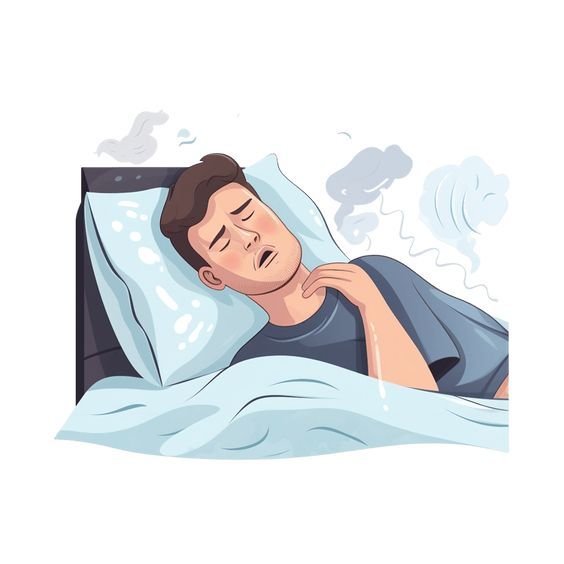
What is Sleep Apnea and How Does It Affect Your Body?
Sleep apnea is a chronic sleep disorder characterized by repeated pauses in breathing throughout the night. These breathing interruptions (called apneas) can last anywhere from 10 seconds to over a minute, occurring dozens or even hundreds of times every single hour.
When your airway collapses, your body’s blood oxygen saturation drops drastically. Your brain detects this hypoxia and briefly jolts you awake—often with a loud snort, choke, or gasp—so you can reopen your airway. Because these micro-awakenings happen so fast, you rarely remember them in the morning, but your sleep architecture is completely destroyed.
Types: What Causes Sleep Apnea?
To understand what sleep apnea is caused by, it helps to distinguish between the three main types:
- Obstructive Sleep Apnea (OSA): The most common form. It occurs when throat muscles, excess neck fat, or a large tongue physically relax and block the upper airway during sleep.
- Central Sleep Apnea (CSA): Caused by a communication breakdown in the nervous system. The brain fails to send proper signals to the muscles that control breathing.
- Complex / Mixed Sleep Apnea: A combination of both physical airway obstruction (OSA) and neurological signaling failure (CSA).
Common Risk Factors
- Excess Body Weight / Obesity: Fat deposits around the upper airway narrow the throat.
- Thick Neck Circumference: Necks larger than 16–17 inches carry greater soft-tissue collapse risk.
- Narrow Airway Architecture: Naturally enlarged tonsils, adenoids, or a deviated septum.
- Smoking & Alcohol: Relax throat muscles and increase fluid retention in the upper airway.
What are Sleep Apnea Symptoms?
Recognizing the warning signs early can save lives. Symptoms are typically divided between nighttime disruptions and daytime fatigue:
Is Sleep Apnea Dangerous? Can Sleep Apnea Kill You?
Many people ask, “Is sleep apnea dangerous?” or “Can sleep apnea kill you directly?”
While a person rarely suffocates to death in their sleep during a single apnea event, untreated sleep apnea is extremely dangerous because of the severe long-term strain it puts on your heart and vital organs.
How is Sleep Apnea Diagnosed? (The Sleep Apnea Test)
You cannot diagnose sleep apnea simply by evaluating your snoring. A definitive diagnosis requires a specialized sleep study (Polysomnography).
1.Clinical Symptom Evaluation:Step 1.
Consult with a pulmonologist or sleep specialist to review your Epworth Sleepiness Scale score and medical background.
2.Schedule a Diagnostic Sleep Test:Step 2.
Book an official study through our specialized Sleep Apnea Diagnostics Service in Pakistan. We provide convenient Level-2 and Level-3 Home Sleep Apnea Tests (HSAT) that record your airflow, heart rate, chest movement, and blood oxygen levels in the comfort of your home in Lahore, Islamabad, or Karachi.
3.Polysomnography Data Analysis:Step 3.
A sleep physician reviews your recorded Apnea-Hypopnea Index (AHI)—calculating the exact number of breathing pauses you experience per hour.
4.Personalized Treatment Plan:Step 4.
Based on your AHI score (Mild: 5–14, Moderate: 15–29, Severe: 30+), your doctor prescribes the exact airway pressure settings required to keep your throat open.
What is Sleep Apnea Treatment? Is Sleep Apnea Curable?
Is sleep apnea curable? While central or structural cases are managed rather than permanently cured, Obstructive Sleep Apnea is 100% manageable with modern non-invasive therapies.
1. CPAP Therapy (Gold Standard Treatment)
Continuous Positive Airway Pressure (CPAP) is the most effective non-surgical treatment available. A CPAP machine delivers a gentle, continuous stream of pressurized room air through a tube and mask, acting as an “invisible pneumatic splint” to keep your throat open all night.
2. BiPAP Therapy
For patients requiring higher pressure support or those with overlapping respiratory diseases (like COPD or neuromuscular disorders), a Bilevel Positive Airway Pressure (BiPAP) machine delivers two distinct pressures: higher pressure during inhalation and lower pressure during exhalation.
3. Lifestyle Modifications & Weight Loss
For mild OSA, losing excess weight, sleeping on your side instead of your back, avoiding alcohol before bedtime, and treating nasal allergies can significantly reduce apnea events.
4. Oral Appliances & Surgery
Custom dental mouthpieces that pull the lower jaw forward can help mild cases. In rare cases, surgeries (like UPPP or tonsillectomy) are performed to remove excess throat tissue.
Take Control of Your Sleep & Health Today
Ignoring sleep apnea deprives your body of oxygen and accelerates chronic cardiovascular disease. Getting tested is fast, non-invasive, and can be done entirely at home.
At Respiratory Sleep & Solutions, we provide complete end-to-end support across Pakistan—from home diagnostic sleep testing to the latest auto-CPAP and BiPAP equipment setup.
👉 Ready to wake up refreshed? Book your home test today through our official Sleep Apnea Diagnostics Service in Pakistan or contact our technical clinical team for guidance.
Frequently Asked Questions (FAQs)
What is the main cause of sleep apnea?
The primary cause of Obstructive Sleep Apnea is physical airway blockage occurring when throat muscles, tongue tissue, or excess neck fat relax during deep sleep, closing off the breathing passage.
Can sleep apnea go away on its own?
Sleep apnea rarely goes away on its own unless the underlying physical trigger is resolved—such as significant weight loss or surgical removal of enlarged tonsils. Most patients require CPAP therapy to maintain open airways.
How do I know if I have sleep apnea without a doctor?
Common home indicators include loud chronic snoring, waking up gasping or with a dry throat, morning headaches, and severe daytime fatigue. However, a formal diagnostic sleep test is required to confirm your exact AHI score.