
Patients recovering from severe respiratory failure, chronic obstructive pulmonary disease (COPD), or neuromuscular conditions often require dual-therapy home care: BiPAP pressure support (to blow off carbon dioxide and assist muscle effort) combined with supplemental oxygen therapy (to keep blood oxygen levels stable).
Connecting an oxygen concentrator to a BiPAP machine is straightforward, but it requires precise equipment setup and strict operational adherence. Following the wrong power-on sequence or using incompatible adapters can compromise oxygen concentration or create equipment safety hazards.
This comprehensive step-by-step clinical guide explains how to connect, start, and operate your BiPAP machine with oxygen safely at home.
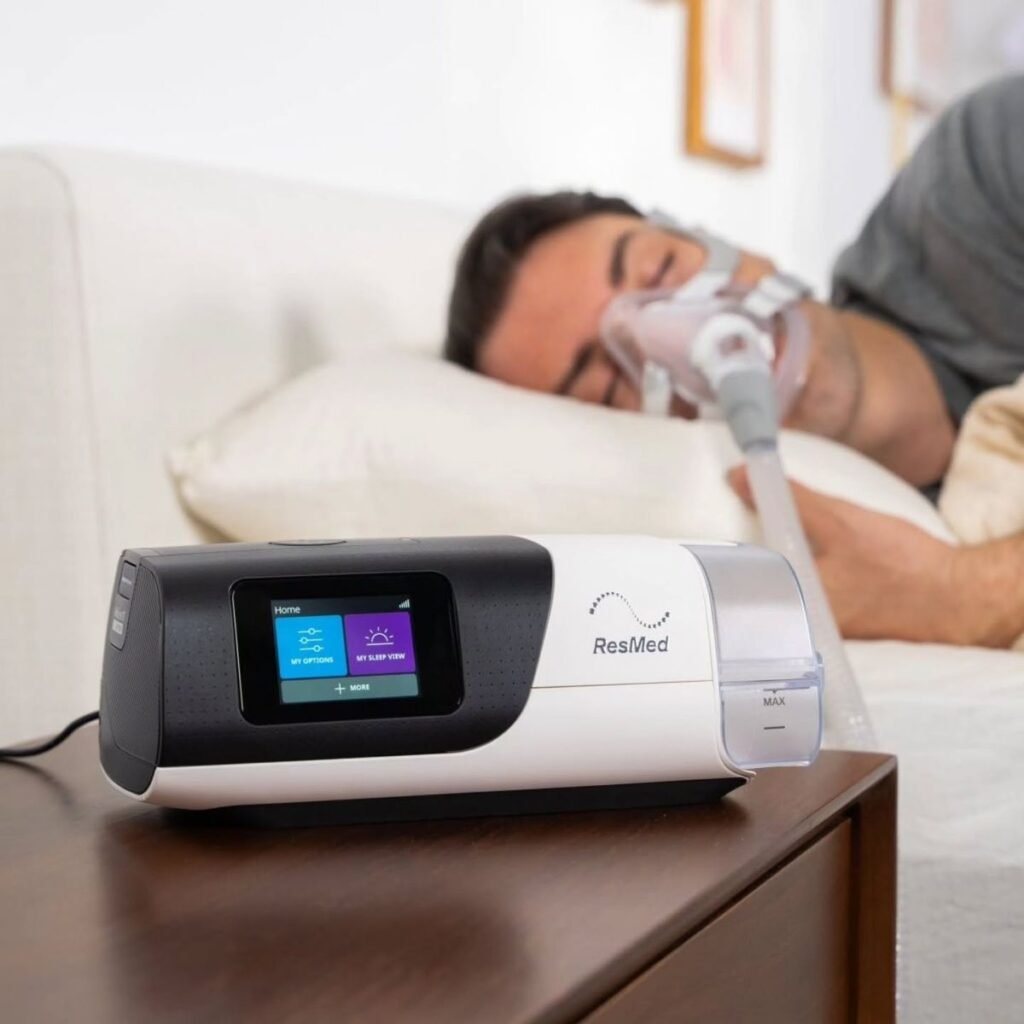
Equipment Required for Dual Therapy
Before starting assembly, gather all necessary components on a clean, stable surface:
- BiPAP Machine (with power supply and water-filled humidifier chamber).
- Continuous-Flow Oxygen Concentrator (Pulse-dose units are not compatible with BiPAP setups).
- Standard 22mm BiPAP Main Tubing & Vented Mask.
- Oxygen Enrichment Adapter (T-Piece / Bleed-In Connector): A specialized medical adapter that slots between the BiPAP outlet/tubing and the oxygen line. (Note: Some modern BiPAP machines or masks have built-in oxygen enrichment ports, eliminating the need for a separate T-piece).
- Green Oxygen Tubing (Connecting the concentrator to the T-piece).
Step-by-Step Assembly & Operating Guide
1.Position the Devices Correctly:Step 1.
Place both the BiPAP machine and the oxygen concentrator on flat, sturdy surfaces near electrical outlets. Position the concentrator at least 1 to 2 feet away from walls or curtains to allow unobstructed cooling airflow.
2.Attach the Oxygen Enrichment Adapter (T-Piece):Step 2.
If your BiPAP machine does not have an integrated oxygen inlet port, attach the Oxygen Enrichment Adapter directly to the air outlet port of the BiPAP machine (or between the main tubing and the mask). Ensure a firm, airtight connection to prevent air leaks.
3.Connect the Tubing Lines:Step 3.
Attach one end of the main BiPAP circuit tubing to the T-adapter and the other end to your vented BiPAP mask. Next, connect the green oxygen tubing from the oxygen concentrator’s output port directly onto the small side-stem of the T-adapter.
4.TURN ON THE BiPAP MACHINE FIRST (Critical Safety Step):Step 4.
Always turn on the BiPAP machine before turning on the oxygen supply. Starting the BiPAP airflow first guarantees that oxygen is pushed forward into the mask rather than backing up into the motor housing, which could cause an electrical fire hazard.
5.Turn On the Oxygen Concentrator & Set Prescribed Flow:Step 5.
Once the BiPAP is actively delivering air pressure, turn on the oxygen concentrator. Adjust the continuous flowmeter dial strictly to your doctor’s prescribed Liters Per Minute (L/min) rate (e.g., $2 \text{ L/min}$ or $4 \text{ L/min}$).
6.Fit Mask & Begin Therapy:Step 6.
Fit the BiPAP mask over the patient’s nose and mouth, adjusting headgear straps evenly until air leaks around the eyes and cheeks are minimized. Confirm that the oxygen concentrator’s purity indicator light is green ($>90\% \text{ } O_2$).
How to Safely Turn Off the System
When ending therapy in the morning, reverse the startup order:
- Turn OFF the Oxygen Concentrator FIRST. This stops the flow of pure oxygen into the line.
- Wait 10 to 15 seconds to allow the active BiPAP airflow to flush out remaining oxygen from the tubing.
- Turn OFF the BiPAP Machine LAST.
- Remove the patient mask.
CRITICAL FIRE SAFETY WARNING:
Pure oxygen accelerates combustion drastically.
- No Open Flames: Keep candles, gas stoves, heaters, and lit cigarettes at least 10 feet (3 meters) away from oxygen equipment.
- Avoid Oil/Petroleum Products: Never apply Vaseline, oil-based lip balms, or petroleum lotions to the patient’s face or nose while using oxygen. Use water-based gels (like K-Y Jelly) to relieve nasal dryness instead.
Troubleshooting Common Home Setup Issues
| Problem Observed | Probable Cause | Corrective Action |
| BiPAP low-pressure alarm sounding | Loose connection at the T-piece or mask leak | Re-seat the enrichment adapter tightly and adjust mask straps evenly. |
| Patient feels dry nose/throat | Unheated oxygen gas drying out airways | Ensure the BiPAP heated humidifier is filled with distilled water and set to level 3–5. |
| Oxygen purity alarm on concentrator | Dusty cabinet intake filter | Turn off unit, wash outer foam dust filter with warm water, dry completely, and reinstall. |
| Low oxygen reading ($SpO_2 < 90\%$) | Wrong concentrator flow rate or tubing kink | Inspect green oxygen tubing for kinks; verify flowmeter ball matches doctor’s exact L/min prescription. |
Why Choose Respiratory Sleep & Solutions?
Setting up complex respiratory equipment at home can feel intimidating. Respiratory Sleep & Solutions provides full end-to-end clinical support across Pakistan:
- Complete Equipment Bundles: Certified BiPAP machines, high-flow oxygen concentrators, and specialized bleed-in adapters available for sale or rent.
- In-Home Clinical Setup: Trained clinical specialists perform on-site installation, pressure testing, oxygen purity verification, and caregiver training.
- 24/7 Helpline Support: Technical assistance for pressure alarm troubleshooting, mask fittings, and emergency spare accessories.
Frequently Asked Questions (FAQs)
Can I use a portable pulse-dose oxygen concentrator with a BiPAP machine?
No. Pulse-dose concentrators rely on detecting an inhalation breath to trigger an oxygen puff. The high continuous air pressure inside a BiPAP circuit prevents the pulse-dose sensor from triggering. You must use a continuous-flow oxygen concentrator.
Where is the best place to attach the oxygen adapter?
The adapter can be placed either directly at the BiPAP machine outlet port or between the end of the tubing and the mask. Attaching it at the machine outlet port is generally preferred because it keeps weight off the mask and allows better gas mixing.
Should I put a humidifier bottle on the oxygen concentrator when connected to a BiPAP?
If your BiPAP machine already has an active heated humidifier chamber operating, adding a second humidifier bottle to the oxygen concentrator is usually unnecessary and can cause excess water condensation (“rainout”) inside the tubing. Contact Now for Details